
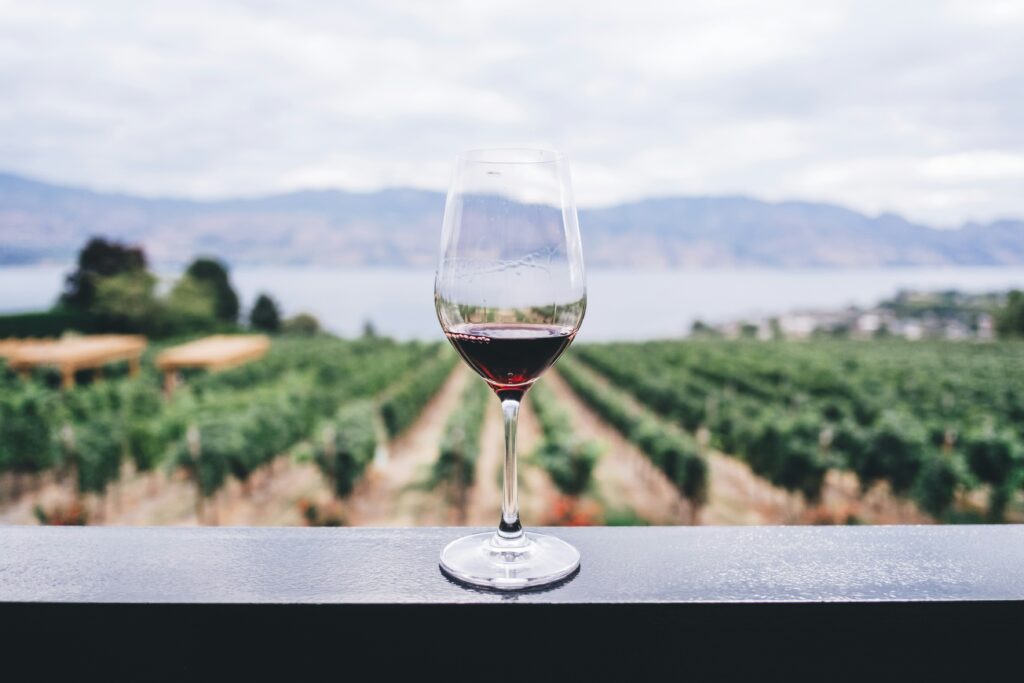
If you’ve ever wanted to attend a wine tasting but felt unsure of what to expect, you’re not alone. Many people assume wine tasting is reserved for experts who can identify dozens of aromas and describe every sip with fancy terminology. The truth is much simpler: wine tasting is about slowing down, enjoying the experience, and discovering the wines you love.
Whether you’re planning your first visit to Hillbille Vineyard or simply looking to expand your appreciation for wine, this beginner’s guide will help you feel confident from your first pour to your last sip.
What Is a Wine Tasting?
A wine tasting is an opportunity to sample several wines in a relaxed setting while learning about their unique characteristics. Instead of drinking a full glass, you’ll typically receive small pours that allow you to compare different varieties, styles, and flavors.
Each wine tells its own story. Everything from the grape variety and climate to the soil and winemaking process influences what ends up in your glass. A tasting allows you to explore those differences one sip at a time.
Most wineries guide guests through the tasting, explaining each wine’s background, tasting notes, and suggested food pairings. There’s no pressure to know everything—in fact, asking questions is encouraged.
Leave Your Expectations Behind
One of the biggest misconceptions about wine tasting is that there’s a “right” answer when describing a wine.
The reality is that everyone’s palate is different.
You may notice fresh berries while someone else detects cherries. One person might love a dry red wine while another prefers a crisp white or a refreshing rosé. Neither opinion is wrong.
Wine tasting isn’t about impressing anyone. It’s about discovering your own preferences and enjoying the journey.
The Five Basic Steps of Wine Tasting
Most wine tastings follow five simple steps that help you experience every aspect of the wine.
1. Look
Before taking your first sip, hold the glass up to the light.
Notice the wine’s color and clarity.
White wines may range from pale straw to deep golden hues, while red wines can vary from light ruby to rich garnet or deep purple.
A wine’s color often provides clues about its age and style.
2. Swirl
Gently swirl the wine around your glass.
Swirling introduces oxygen, allowing the aromas to open up and making it easier to smell the wine.
If you’re new to swirling, keep the base of the glass on the table and move it in small circles. It’s much easier than trying to swirl the glass in the air.
3. Smell
Believe it or not, much of what we think of as flavor actually comes from our sense of smell.
Take a slow, deep breath over the glass.
You might notice aromas like:
- Fresh berries
- Citrus
- Apple
- Peach
- Vanilla
- Chocolate
- Oak
- Herbs
- Flowers
- Baking spices
Don’t worry if you can’t identify specific scents right away. The more wines you taste, the easier it becomes.
4. Sip
Take a small sip and let the wine move across your tongue.
Think about:
- Is it sweet or dry?
- Is it light-bodied or full-bodied?
- Is it smooth or bold?
- Is it fruity, spicy, earthy, or floral?
- Does it feel crisp or creamy?
Again, there are no wrong answers.
5. Savor
Notice how long the flavors remain after swallowing.
This is known as the finish.
Some wines disappear quickly, while others leave lingering flavors that continue to develop for several seconds.
Understanding Common Wine Terms
You’ll often hear a few common words during wine tastings.
Dry: Contains very little residual sugar and isn’t sweet.
Sweet: Has noticeable natural sweetness.
Body: Refers to how heavy or light the wine feels in your mouth.
Acidity: The refreshing brightness that makes a wine feel crisp and lively.
Tannins: Natural compounds found primarily in red wines that create a drying sensation on your tongue.
Finish: The flavors that remain after swallowing.
Learning these simple terms can make wine tasting less intimidating and help you better describe what you’re enjoying.
Should You Use the Spittoon?
Many first-time visitors wonder about the spittoons found in tasting rooms.
They’re completely optional.
Professional tasters often spit wine so they can sample many different varieties without consuming too much alcohol.
There’s absolutely nothing wrong with swallowing every sample if you’re tasting responsibly and have a safe ride home.
Do whatever makes you comfortable.
Cleanse Your Palate
Most wineries provide water and crackers between tastings.
These help reset your palate so each wine can be appreciated on its own.
Taking your time also allows you to notice subtle differences from one wine to the next.
Ask Questions
One of the best parts of visiting a vineyard is learning directly from the people who make or serve the wine.
Don’t hesitate to ask questions such as:
- Which wine is your most popular?
- What foods pair well with this wine?
- Is this wine produced only during certain seasons?
- What grapes are used?
- How long is the wine aged?
Winery staff enjoy sharing their knowledge and helping guests find wines they’ll enjoy.
Keep Notes
If you’re tasting several wines, it can be difficult to remember your favorites.
Consider writing down:
- Wine name
- Sweetness level
- Favorite aromas
- Favorite flavors
- Foods you’d pair it with
- Overall rating
Many wineries even provide tasting cards to make this easy.
Don’t Be Afraid to Try Something New
You may arrive convinced you only enjoy sweet wines and leave with a new appreciation for a bold red.
Or perhaps you’ll discover a crisp white that’s perfect for summer evenings.
Wine tasting is all about exploration.
Trying something outside your comfort zone often leads to pleasant surprises.
Pair Wine with Food
Wine truly comes alive when paired with the right foods.
Some classic combinations include:
- Rich red wines with grilled steaks or hearty pasta dishes
- Crisp white wines with seafood and chicken
- Rosé with salads, sandwiches, or charcuterie boards
- Sweet dessert wines with chocolate or fruit-based desserts
Food can completely transform how a wine tastes, making pairings one of the most enjoyable parts of the experience.
Relax and Enjoy the Experience
Perhaps the most important tip for beginners is to simply relax.
Wine tasting isn’t a test.
There’s no score to achieve and no expectation that you’ll identify every aroma or memorize every grape variety.
Instead, enjoy the scenery, the conversation, and the opportunity to slow down. Whether you’re visiting with friends, celebrating a special occasion, or spending a quiet afternoon at Hillbille Vineyard, each tasting is a chance to create lasting memories.
The more wines you sample, the more your confidence will grow. Before long, you’ll begin recognizing styles you enjoy, understanding your personal preferences, and discovering new favorites with every visit.
At the end of the day, the best wine is the one you genuinely enjoy. Wine tasting is simply the fun and rewarding journey of finding it.